Cargo insurance is the policy a trucking company carries to cover damage to the freight it hauls — in auto transport, your car while it is on the truck. It is the carrier's policy, not yours, and it generally responds to physical damage caused during loading, transit, and unloading. It does not cover personal items or pre-existing damage. Every motor carrier operating under interstate authority must maintain liability coverage on file with the FMCSA. Cargo coverage is a separate policy from auto liability, and the limits are set by the carrier, not by regulation, for most vehicle hauling. Typical structure in this industry:
Those limits and exclusions vary by policy. Always confirm yours in writing. The claim path is mechanical. Damage is noted on the delivery bill of lading and signed by the driver. The carrier opens a claim with its insurer. An adjuster reviews the pickup and delivery condition reports and the driver's photos. Repair estimates come in, and the insurer pays the repair, less any policy deductible the carrier absorbs. Straightforward claims commonly resolve in a few weeks; disputed ones take longer.
The variable nobody explains well: on open transport, small stone chips and road grime are a normal consequence of 1,400 miles behind traffic on I-95, and many policies treat ordinary road debris differently than handling damage. If that is unacceptable for your car, that is the argument for enclosed auto transport, not for a bigger cargo policy.
You are trusting a stranger with a $30,000 to $200,000 asset for a week. Cargo insurance is the financial backstop, and its usefulness depends entirely on whose policy it is. When you book with a carrier that owns its trucks, one company's policy covers your car and one company answers the claim. When you book through a broker, the broker does not own the policy — the dispatched carrier does, and you often do not learn which carrier that is until the truck is 24 hours out. Brokers carry contingent cargo coverage, which typically only responds after the carrier's policy fails to. That is one more layer between you and a check.
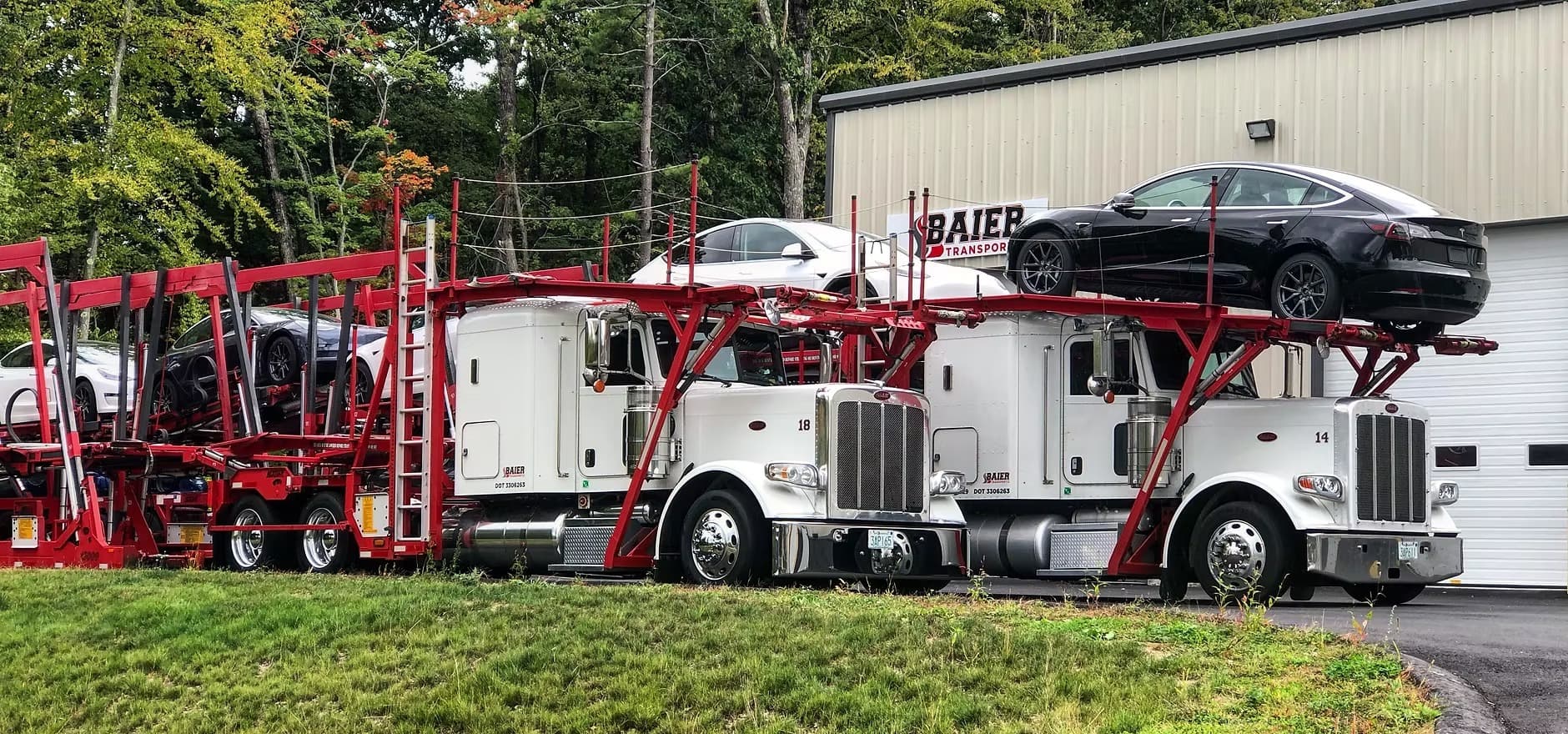
Baier is an owned-fleet carrier. Our trucks, our drivers, our cargo policy, and one phone number if something goes wrong. For a fuller walkthrough of what actually gets paid, read auto transport insurance explained. Assuming personal items in the car are covered. They are not, under essentially any auto transport cargo policy. Carriers are licensed to haul vehicles, not household goods, and a suitcase in your trunk sits outside the coverage the insurer wrote.
The second mistake is accepting "we're fully insured" as an answer. That phrase means nothing on its own. Ask for the limit, ask for the exclusions, and ask for the certificate of insurance — a legitimate carrier produces it in minutes. Baier Transport LLC owns its fleet, carries its own cargo coverage, and will send you the certificate of insurance on request — before pickup, not after. Seabrook, NH based, BBB A+, 251,015+ vehicles moved. Get a quote and ask us anything about coverage on the call.