A bill of lading is the legal shipping document a car hauler issues for your vehicle. It works as three things at once: a receipt that the carrier took possession, a contract of carriage, and — because it records the vehicle's condition at pickup and delivery — the primary evidence in any damage claim. You sign it twice: at pickup and at delivery.
The driver fills out the bill of lading at your curb before the car goes on the truck. On a Baier truck that takes 10 to 20 minutes for a single vehicle and includes a walk-around with you present. The condition notation is the part that matters — a driver marking "PS-LF" is recording a paint scratch on the left front. Most drivers also shoot 20 to 40 timestamped photos and attach them to the file.
At delivery you repeat the process: you walk the car with the driver, compare it to the pickup diagram, and note anything new before you sign. New damage gets written directly on the delivery copy and signed by both you and the driver — that notation is what turns a complaint into a claim. A dirty car after 1,400 miles of I-95 can hide small marks, so inspect in daylight and hose it down first if the delivery point allows. If the vehicle is inoperable, that has to be noted at pickup, and if someone else receives the car for you, their signature binds you.
The bill of lading is the difference between "I think it happened in transit" and a documented claim. Cargo insurance responds to what the paperwork shows — if a delivery BOL is signed clean and the damage is reported two days later, the carrier's insurer has a strong argument that the damage happened after delivery, and they usually win it. It also tells you who actually hauled your car: the carrier's legal name, MC number, and USDOT number are printed on it. If you booked with a company whose name does not match the name on the bill of lading, you booked through a broker and a stranger's truck showed up — the single most common surprise in this industry.
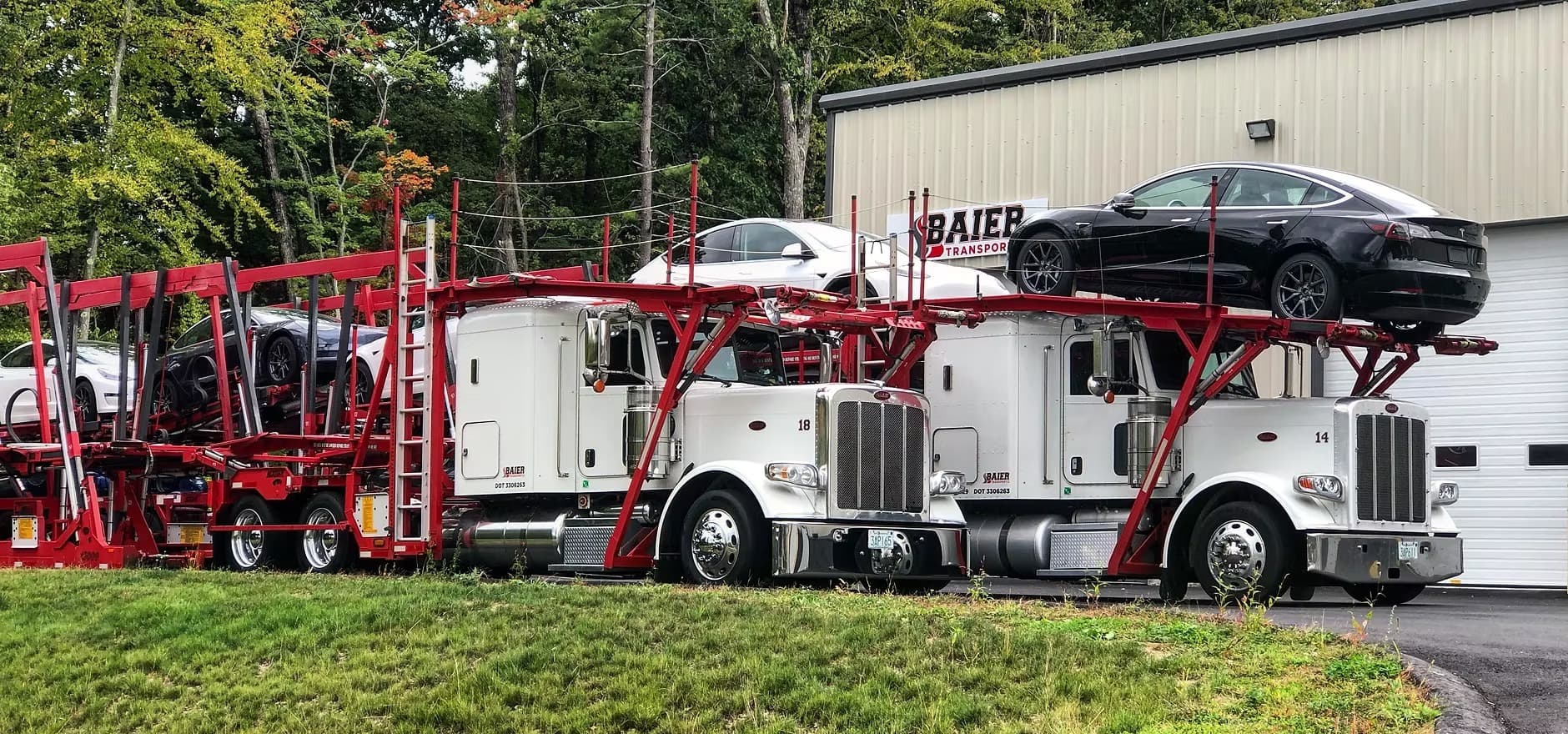
With Baier, the name on the BOL is the name you booked — we own the trucks. The most common mistake is signing the delivery bill of lading before inspecting the car. It happens constantly: the truck arrives at 7:00 p.m. in a Florida driveway, it is dark, the customer is tired, the driver has more drops, and everyone signs to move things along. Once you sign clean, you have certified the vehicle arrived in the condition shown at pickup. Take five minutes, walk both sides, check the roof and the lower rocker panels, and write down anything that was not on the pickup diagram — a reasonable driver will wait, and ours do. Baier Transport LLC is an owned-fleet auto carrier out of Seabrook, New Hampshire, with 251,015+ vehicles moved and a BBB A+ rating. If you are moving a car on the New Hampshire to Florida lane this season, get a quote and we will tell you exactly which truck and which driver.