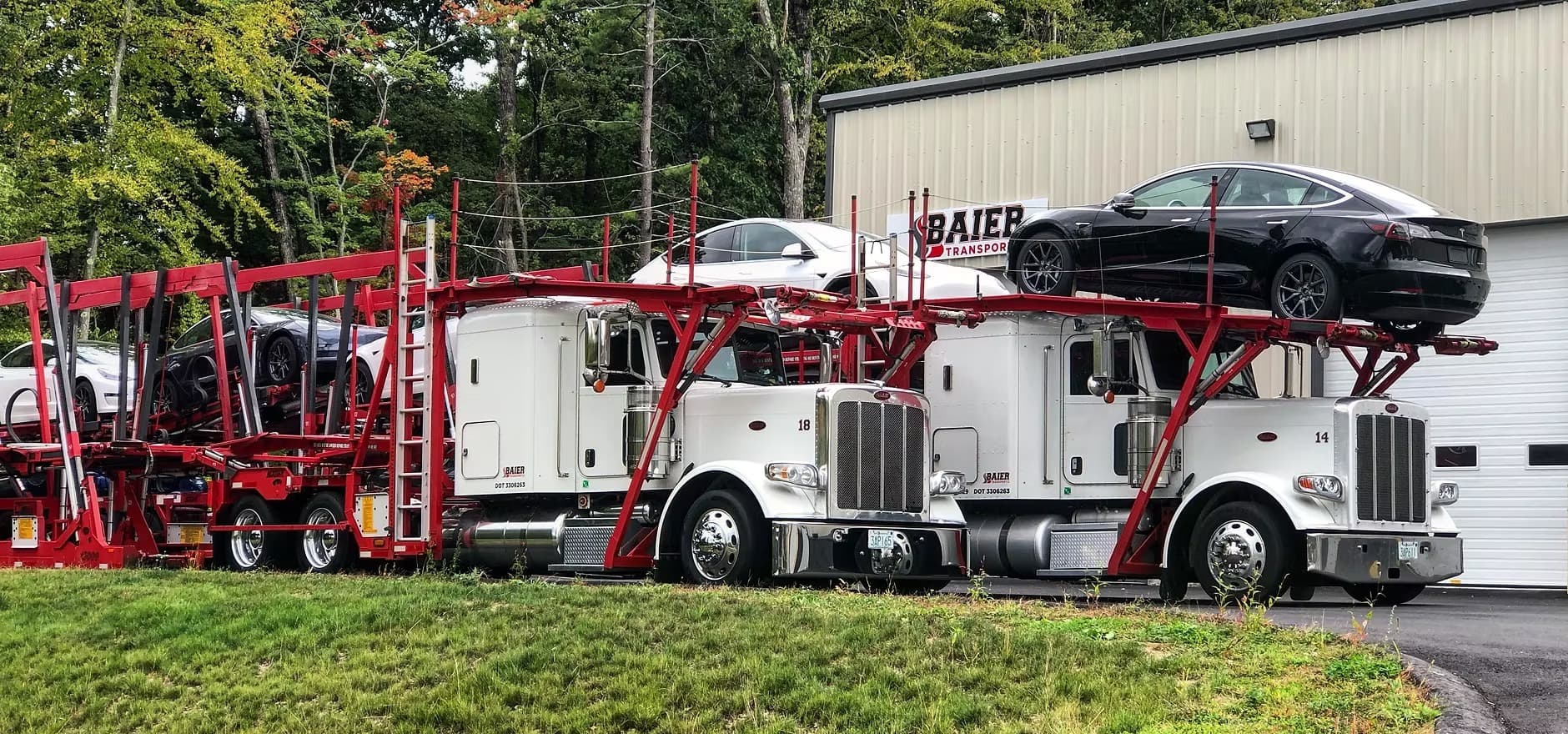
A deductible is the amount an insurance policyholder pays out of pocket on a claim before the insurer pays the rest. On an auto transport cargo policy, the policyholder is the carrier — so the carrier pays the deductible, not the customer. Deductibles on motor truck cargo policies commonly run from $1,000 to $5,000 per occurrence. Say a car is delivered from Massachusetts to Sarasota with a fresh dent in the rear quarter panel that was not on the pickup vehicle inspection report. The body shop estimate comes back at $2,800. Here is the flow: 1. Damage is written on the delivery bill of lading and signed by the driver. 2. The carrier files the claim with its cargo insurer. 3. An adjuster reviews the two condition reports and the driver's photos. 4. Repair estimates are collected. 5. The insurer authorizes payment for the repair. 6. The carrier absorbs its deductible portion; the insurer pays the balance.
If the carrier's deductible is $2,500 and the repair is $2,800, the insurer's exposure is $300 and the carrier eats $2,500. If the repair is $1,900, the claim sits entirely under the deductible and the carrier pays the whole thing directly — which is why many carriers simply handle small damage themselves without ever opening a formal claim. That is normal and usually faster for the customer.
Two structural notes. Deductibles are per occurrence, not per vehicle, so a single incident that damages three cars on one trailer draws one deductible. And a high deductible is not automatically a bad sign — established carriers often carry higher deductibles because their loss history is clean and it lowers their premium. What matters is that they can and do pay it.
You should never see a bill for a deductible. That is the whole point of the term for a shipping customer: it is a number on the carrier's side of the ledger. The reason to understand it anyway is that a carrier's deductible shapes how claims get handled in practice. A carrier with a $5,000 deductible has a real financial incentive to resolve a $1,200 scuff quietly and quickly rather than involve an insurer, and a carrier that owns its own trucks can just do that. A broker cannot — the broker has no policy, no truck, and no authority to authorize a repair, so it forwards your claim to a carrier you never chose.
That is the practical difference between booking with a carrier and booking with a middleman. More on it in auto transport insurance explained. Being told you owe the carrier's deductible before a claim can proceed. This is not how cargo insurance works, and it is one of the clearest warning signs in the industry. A deductible is a contractual obligation between the carrier and its insurer. You are not a party to that contract.
The second version of this is a company quoting you an "insurance fee" or "damage protection fee" at booking that is really a deductible buy-down. Ask exactly what it covers, what the limit is, and who the insurer is. If the answer is vague, see our red flag checklist before you pay. When Baier hauls your car, Baier owns the policy and Baier handles the claim. No middleman, no forwarding your problem to a stranger. Seabrook, NH. BBB A+. 251,015+ vehicles moved. Get a quote.