Central Dispatch is the largest load board in the auto transport industry — a private online marketplace where brokers post vehicles that need moving and carriers browse for loads that fit their routes. It is where most cars booked through a national broker actually get assigned to a truck, hours or days after the customer has already paid a deposit.
Customers never see it. Understanding it explains almost everything about how car shipping pricing really behaves. Access is restricted to companies with active FMCSA operating authority and a subscription. Brokers and carriers both pay monthly fees for seats. When a broker books your shipment, it creates a listing: origin and destination ZIP codes, vehicle year, make, model, running or inoperable, open or enclosed, available date, and — critically — the amount the carrier will be paid. That carrier-pay figure is lower than what you were quoted. The difference is the broker's margin.
Carrier dispatchers filter the board by origin state, destination, and rate. A dispatcher building a southbound run from New England to Florida is looking for eight to ten vehicles clustered near a corridor at a price per unit that covers fuel, driver pay, insurance, and equipment. If your listing pays too little for the route, nobody clicks it.
Then one of two things happens. Either a carrier accepts and dispatch is confirmed, or the load ages. Aged listings get repriced. The broker raises the carrier pay to make it move, which is why some customers get a call asking for more money after booking, and others simply wait while their "guaranteed" pickup date passes. Listings also show carrier ratings and payment terms, which is why brokers with a reputation for slow payment struggle to cover loads even at fair rates. If your car is going on Central Dispatch, your pickup date depends on a stranger's routing math, not on the company you gave your credit card to.
That is the mechanism behind the two most common complaints in car shipping. The price change: your load was underpriced to win your booking, and had to be raised to attract a truck. The pickup delay: no carrier accepted the listing yet. It also means the company that shows up is a company you never evaluated. Their safety record, their cargo insurance limits, their driver's experience — all determined after you booked, by whoever clicked first.
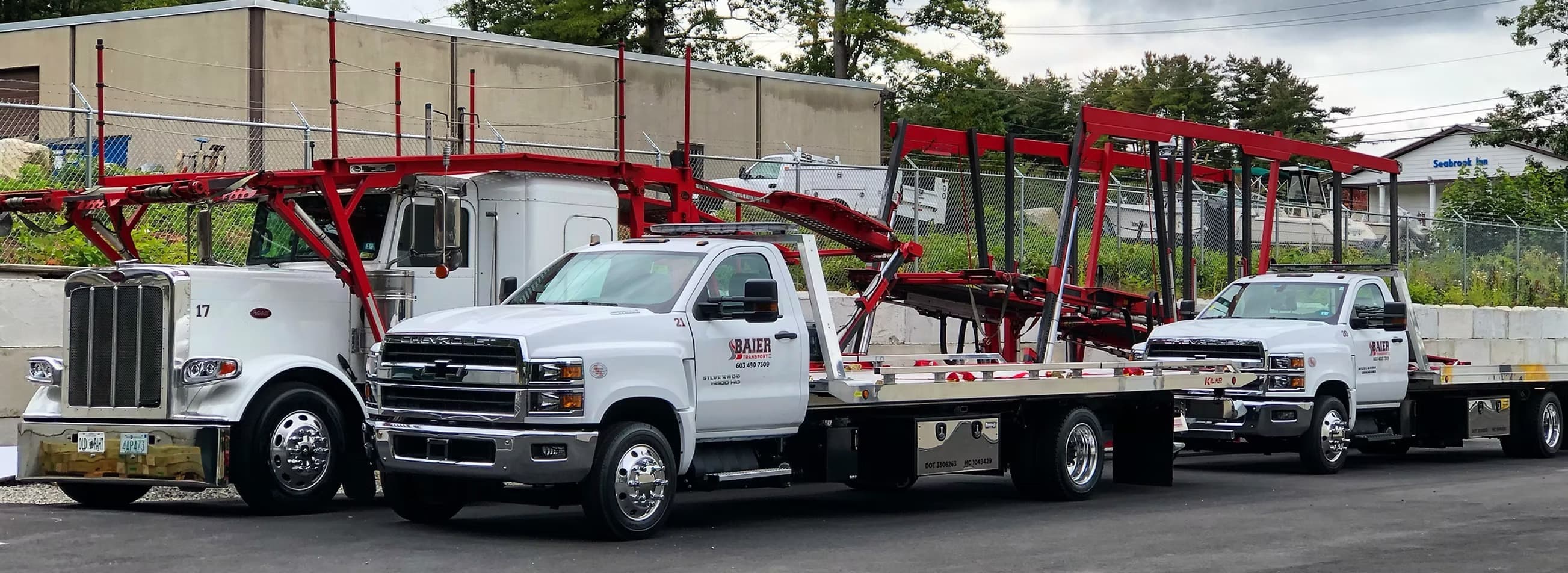
None of this happens when you book directly with a carrier whose trucks already run your route. The load never gets posted, because it is already on a truck. That is the whole argument in broker vs carrier. The mistake is reading a low quote as a good deal. On a broker quote, an unusually low number often means the carrier pay was set below market to win the booking — and the load will sit on Central Dispatch until it gets repriced. Ask one question before you pay a deposit: "Will my vehicle be posted to a load board, or do you own the truck?" An honest broker will say yes, it gets posted. A carrier will say no. Either answer is useful; a vague answer is the red flag.