Auto Transport Broker vs Carrier: The Difference That Costs You
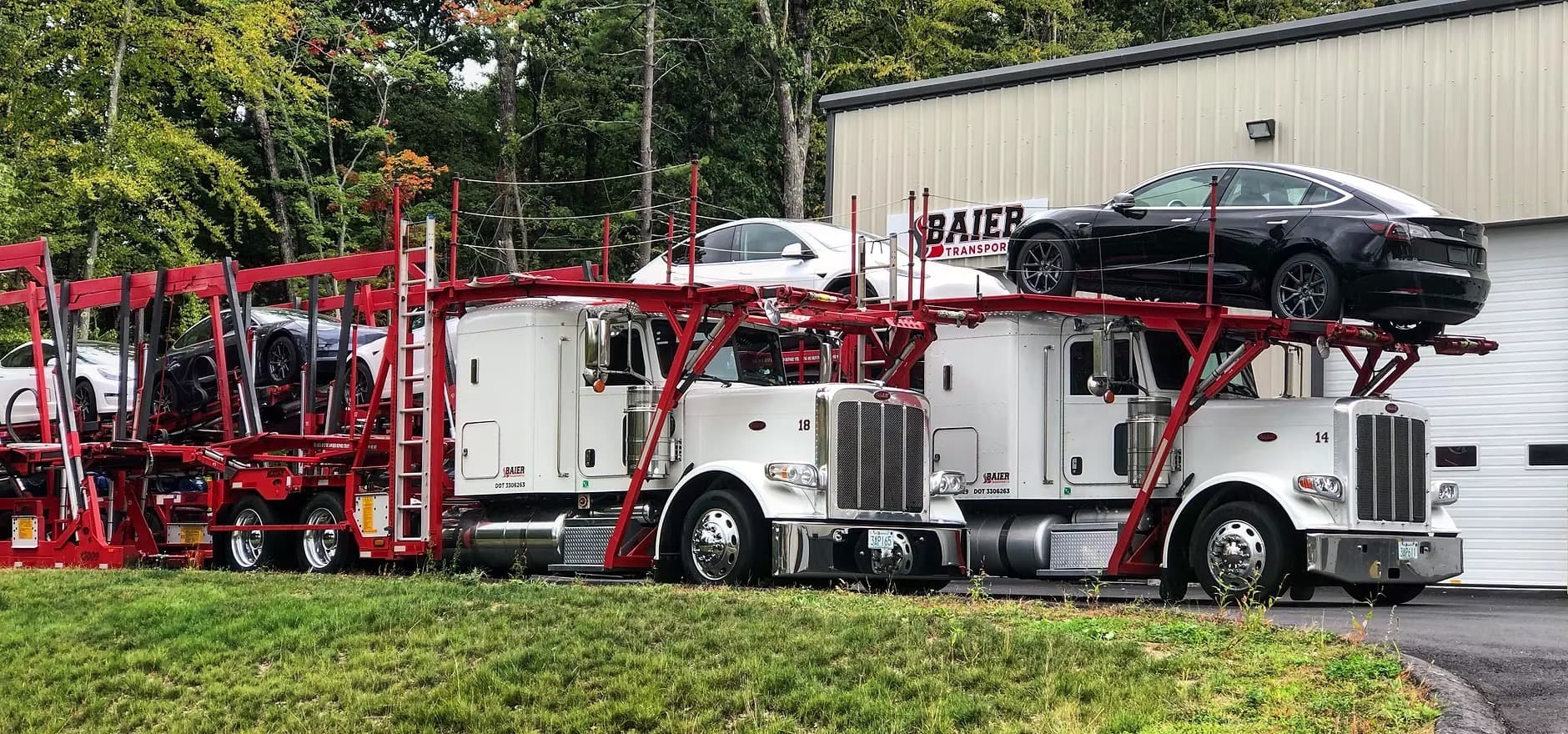
An auto transport broker is a licensed company that arranges your shipment and books an outside trucking company to haul it. A carrier is the trucking company itself: it holds operating authority, carries cargo insurance, and puts its own drivers behind the wheel. Both are legal, both are regulated by the FMCSA, and both can deliver your car on time. The difference shows up in who controls the truck, how the price gets set, and what happens when the price you were quoted doesn't attract a driver.
What you'll learn
- A broker arranges the move and pays an outside carrier; a carrier hauls the car itself Most cost surprises come from quotes set below what carriers will accept on that lane You can verify either type in two minutes on the FMCSA SAFER Company Snapshot
What a broker does
A transport broker holds broker authority from the FMCSA and files a BMC-84 surety bond (or a BMC-85 trust fund). That bond exists to protect carriers who don't get paid. It is not insurance on your vehicle.
When you book with a broker, the broker typically posts your car to a load board, often the central dispatch board that most of the industry uses. Independent carriers and owner-operators browse those listings, see the route, the vehicle and the payout, and decide whether to take it. Once a carrier accepts, the broker sends you that carrier's details and the carrier's cargo insurance is what covers your car in transit.
Brokers earn their keep by matching. They see thousands of trucks they don't own and can find a slot on lanes no single fleet runs every week. For an unusual route, that reach is real value.
What a carrier does
An auto transport carrier holds motor carrier operating authority, files proof of cargo insurance, and employs or contracts the drivers who load, haul and unload your car. When a carrier quotes you, it is pricing its own truck on a run it plans to make.
The tradeoff is reach. A carrier's trucks run the lanes it knows. Ask it to move a car between two cities it never serves and it will either decline or hand the job to someone else.
How the money moves
This is the part that explains most of the cost problems people run into.
| Step | Broker model | Carrier model |
|---|---|---|
| You get a quote | Broker estimates what a carrier will accept, plus its fee | Carrier prices its own truck on the run |
| You pay a deposit | Usually to the broker | Often none, or to the carrier |
| The truck is found | Car posted to a load board; a carrier accepts the payout | Car assigned to a scheduled truck |
| Balance due | Usually paid to the driver at delivery | Paid to the carrier per its terms |
| Who insures the car in transit | The carrier that accepts the load | The carrier |
With a broker, your total price is split. Part of it is the broker's fee. The rest is the payout to the carrier, which is what a driver sees on the load board. If that payout is too low for the lane and the season, nobody takes the load.
Where each model can cost you
Bait quotes. A broker that wants your booking can quote a total that leaves a payout no carrier will accept. Your car sits. A few days later you get a call asking for more money "to attract a driver." This is the most common way a low quote turns into a high bill. We cover the pattern in auto transport companies to avoid.
Re-quotes. Even a fair broker quote is an estimate of the market. If fuel, season or lane demand shifts between booking and dispatch, the price can move. Ask whether the number is a binding estimate or subject to change at dispatch.
Date windows. A broker can't promise a date on a truck it doesn't control, so most broker quotes come with a first available date and a pickup window after it. A guaranteed pickup date means a specific day is committed, and it typically costs extra with anyone who offers it.
Carrier reach. The cost on the carrier side is limited coverage. If your lane isn't one the carrier runs, you may wait for a truck to be positioned, pay for the empty miles, or be turned away.
"Will my car be on your truck, or will you book another carrier?" Either answer can be fine. A company that won't give you a straight answer is the one to skip.
Ready to Ship Your Vehicle?
Get a free, no-obligation quote from Baier Transport. BBB A+ rated with over 251,015+ vehicles transported.
How to verify a broker or a carrier on FMCSA SAFER
Every legitimate company has a USDOT number and, for interstate for-hire work, an MC number. Look them up on the FMCSA SAFER Company Snapshot:
- Search by USDOT or MC number, not by company name, so you land on the right entity.
- Confirm the legal name matches the name on your quote and paperwork.
- Check Entity Type. It should read CARRIER, BROKER, or both, matching what the company told you.
- Check that the operating authority status is active and that there is no out-of-service date.
- For a carrier, request a certificate of insurance naming that carrier as the insured, with policy dates that cover your move.
- For a broker, ask for the name and USDOT number of the carrier assigned to your car, then run steps 1 through 5 on that carrier too.
The second number is the one people skip. A broker's record tells you the broker is licensed. The carrier's record tells you who is actually driving.
Where Baier fits
Baier runs both models under two separate, registered entities, and we tell you which one applies to your car.
- Baier Transport LLC is the carrier: USDOT 3306263, MC 1049429.
- Baier Automotive Logistics is the broker: USDOT 3594438, MC 1218658.
About half of our loads ride on Baier trucks with Baier drivers. The rest move with vetted partner carriers that hold active FMCSA authority and insurance on file, booked under Baier Automotive Logistics' broker authority. Either way, Baier stays your single point of contact from quote to delivery, and you can look up both numbers on SAFER yourself. You can also see our credentials laid out on the carrier credentials page.
Frequently Asked Questions
Is an auto transport broker bad? No. Brokerage is a licensed, regulated business model, and for lanes no single fleet runs regularly it is often the fastest way to find a truck. The risk isn't the model. It's a quote set below what carriers will accept, or a company that won't tell you it is brokering your car.
Who is responsible if my car is damaged with a broker? The carrier that physically hauls the car carries the cargo insurance that responds to transit damage, subject to its policy terms and deductible. The broker's BMC-84 bond protects unpaid carriers, not your vehicle. Get the assigned carrier's name and certificate of insurance before pickup.
Why is a broker quote sometimes lower than a carrier quote? Sometimes a broker has found a truck with an empty slot on your lane, and the low price is real. Other times the quote is set low to win the booking. Ask whether the price is binding or can change at dispatch, and compare it against several other quotes for the same lane.
How do I know if a company is a broker or a carrier? Look up its USDOT number on the FMCSA SAFER Company Snapshot and read the Entity Type field. It will say CARRIER, BROKER, or both. Then ask the company directly whose truck your car will ride on.
Can a company be both a broker and a carrier? Yes. Many companies hold both types of authority, either under one USDOT number or under separate entities. Baier uses two separate entities, one for each, so the paperwork shows exactly which authority your move runs under.
Get a straight answer on your move
Tell us where the car is going and we'll tell you the price, the pickup window, and whether it rides on a Baier truck or with a partner carrier. Get a quote online or call (603) 490-7309, Monday through Friday, 8:00 AM to 6:00 PM ET.
Ready to Ship Your Vehicle?
Get a free, no-obligation quote from Baier Transport. BBB A+ rated with over 251,015+ vehicles transported.