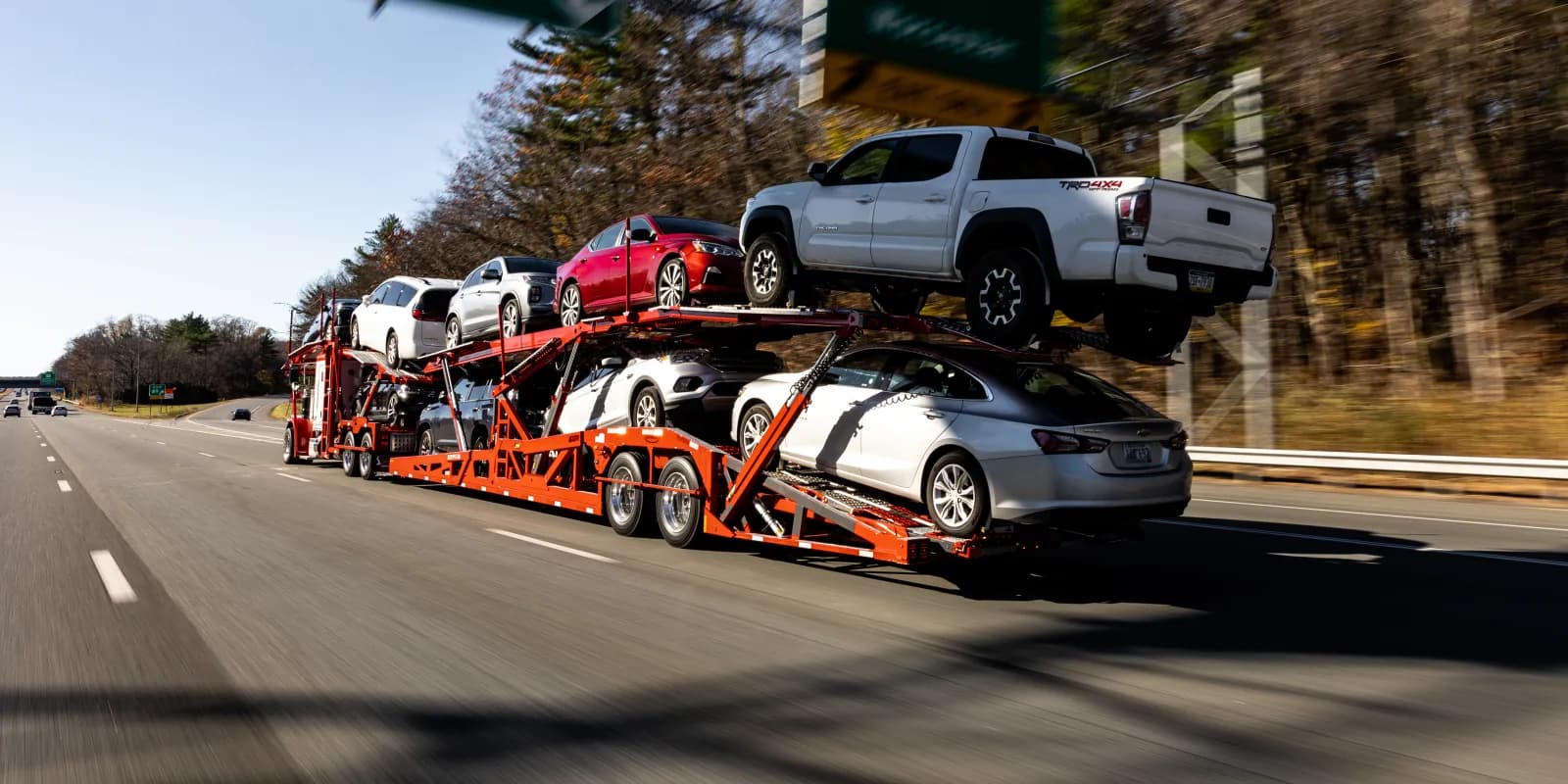
Vehicle shipping cost refers to the total price charged to transport a vehicle from one location to another via a professional carrier. Understanding what drives shipping costs helps customers make informed decisions and recognize fair pricing when they see it.
The primary factors affecting vehicle shipping cost are distance, vehicle size and weight, transport type, time of year, and route popularity. Distance is the single largest cost driver — a 500-mile shipment costs significantly less than a 1,500-mile shipment. Vehicle size matters because larger, heavier vehicles take up more carrier space and add more weight to the truck's load, reducing the number of other vehicles the carrier can transport.
Transport type creates a clear price tier. Open transport is the standard, most affordable option. Enclosed transport adds 40 to 60 percent to the base price. Within each category, pricing also varies by carrier quality, insurance coverage levels, and service speed. Expedited or guaranteed pickup dates typically command a premium of 10 to 20 percent.
Seasonality affects pricing significantly. The snowbird season (October through April) drives prices up on popular corridors like the Northeast to Florida. Summer months see increased demand for cross-country moves tied to the housing market and school schedules. Late spring and early fall are typically the lowest-priced periods.
Route popularity directly impacts cost because carriers prefer to run full trucks on high-demand lanes. Shipping between major metros (New York to Miami, Boston to Fort Lauderdale) is often less expensive per mile than shipping to or from rural locations because carriers can easily fill their trucks. Rural pickup or delivery locations may cost $100 to $300 more due to the detour required.
A typical price range for open transport in the continental US is $500 to $1,500 for distances of 500 to 1,500 miles. Enclosed transport for the same distances ranges from $800 to $2,500. These ranges encompass most standard passenger vehicles — oversized trucks, lifted vehicles, and inoperable cars may fall outside these ranges.