How Much Does It Cost to Ship a Car? 2026 Pricing Guide
One of the first questions anyone asks when considering auto transport is "how much will it cost?" The answer depends on several factors, but understanding what drives pricing helps you evaluate quotes, avoid scams, and budget accurately.
This guide breaks down auto transport pricing for 2026 based on real market data and industry experience.
Average Car Shipping Costs by Distance
Distance is the single biggest factor in your shipping cost. Here are the average ranges for open transport of a standard sedan in 2026:
| Distance | Price Range | Per-Mile Cost |
|---|---|---|
| Short haul (under 500 mi) | $400–$700 | $1.00–$1.50/mi |
| Medium haul (500–1,000 mi) | $600–$1,000 | $0.75–$1.00/mi |
| Long haul (1,000–2,000 mi) | $800–$1,400 | $0.50–$0.80/mi |
| Coast to coast (2,000+ mi) | $1,100–$1,800 | $0.40–$0.65/mi |
Short-distance shipments have a higher per-mile cost because fixed costs (loading, unloading, routing) apply regardless of distance. Longer routes amortize those costs over more miles.
Note: These ranges apply to standard sedans on open carriers. Larger vehicles, enclosed transport, and peak seasonal demand push prices higher.
Factors That Affect Your Quote
Vehicle Size and Weight
Carriers have limited space and weight capacity. A compact Honda Civic takes less room than a Ford F-250 crew cab. Expect to pay 10–25% more for SUVs and full-size trucks compared to sedans.
Open vs. Enclosed Transport
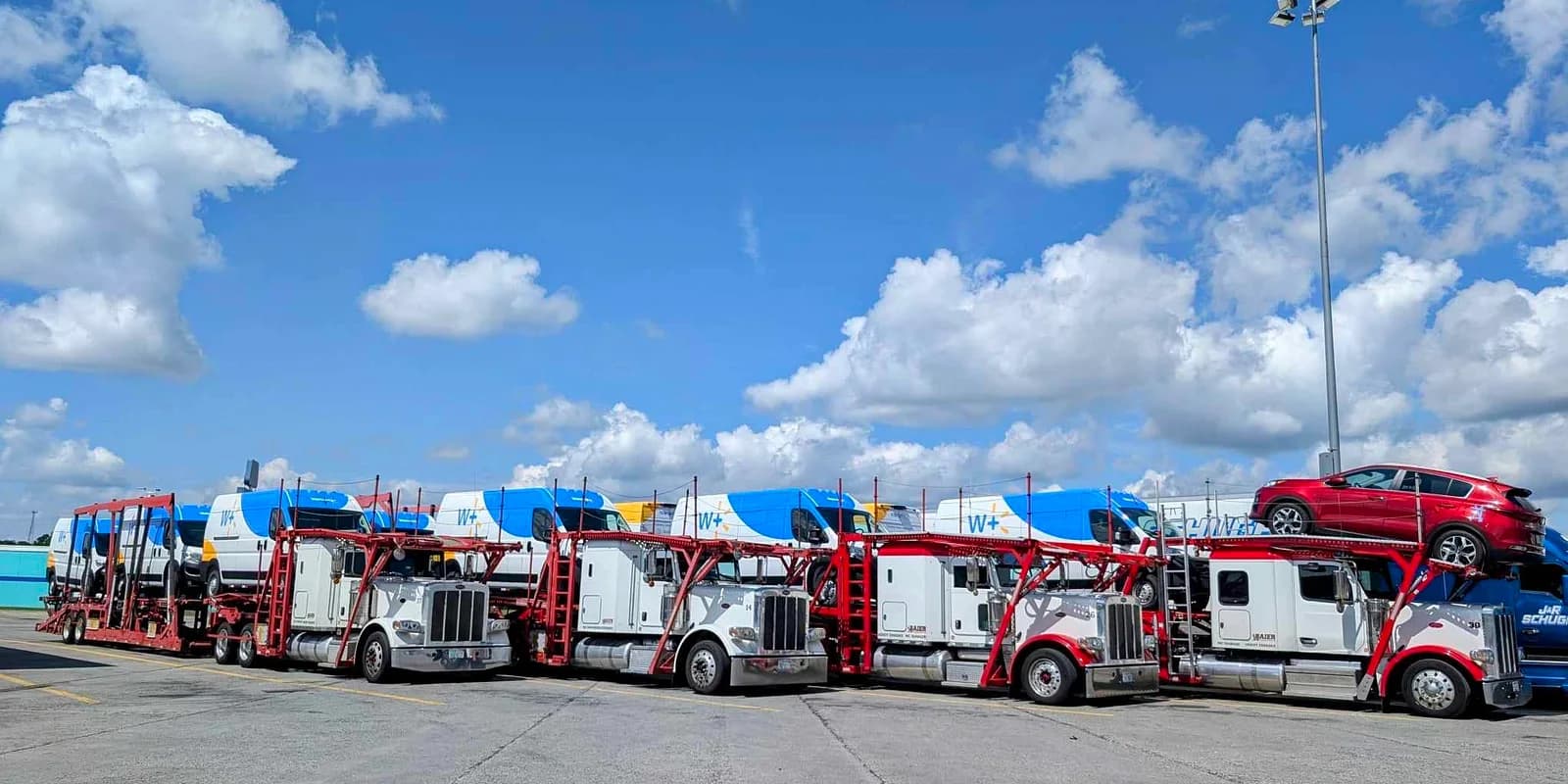
- Open transport — your vehicle rides on a multi-car carrier exposed to the elements, just like new cars delivered to dealerships. Suitable for the vast majority of vehicles.
- Enclosed transport — fully covered trailer protecting from weather, road debris, and visibility. Worth it for high-value vehicles, classics, and exotics.
Enclosed costs 30–60% more than open. Read our detailed comparison to decide which is right for your vehicle.
Seasonal Demand
Auto transport pricing follows predictable seasonal patterns:
- Most expensive: Snowbird season (Oct–Mar for the NE-to-FL corridor) and summer relocation months (Jun–Aug)
- Least expensive: Late spring (Apr–May) and early fall (Sep–Oct)
See our best time to book guide for detailed seasonal strategies.
Pickup and Delivery Location
Major metro areas are cheaper because carriers already have established routes. Rural locations may require detours, adding cost. Tip: Meeting the carrier at a nearby highway exit or shopping center can reduce your quote if you live in a rural area.
Vehicle Operability
Non-running vehicles need a winch for loading/unloading — typically $100–$200 more than operational vehicles.
Timeframe and Flexibility
Narrow pickup windows cost more. Being flexible with a 3–5 day window often results in lower pricing because the carrier can optimize routes.
How to Read an Auto Transport Quote
A legitimate quote should be straightforward. Watch for these signals:
- All-inclusive pricing — the quote should include everything. Be wary of companies that add fuel surcharges, insurance fees, or other add-ons later.
- Abnormally low quotes — if one quote is significantly below others, it is likely a bait-and-switch. The company accepts your deposit, then struggles to find a carrier at that price, leading to delays and price increases.
- Deposit structure — typically $100–$200 upfront, balance due at delivery (cash or certified check to the driver).
- Insurance coverage — every legitimate carrier carries cargo insurance. Ask for the coverage limit and deductible. Standard is $100,000–$250,000 per load.
Red flag: Any company that will not provide a written, all-inclusive quote before you commit is not worth your business.
Tips to Save on Car Shipping
You cannot control all pricing factors, but these strategies make a real difference:
- Book early. 3–4 weeks ahead gives carriers time to build efficient routes and often yields better pricing.
- Be flexible with dates. A 3–5 day pickup window gives carriers more routing options.
- Ship during off-peak seasons. Avoid peak snowbird season and midsummer if your timeline allows.
- Choose open transport unless your vehicle truly warrants enclosed protection.
- Consider terminal-to-terminal. If you are near a transport terminal, this can save $50–$100 over door-to-door.
- Get multiple quotes — but compare apples to apples. Same transport type, similar timeframe, same route. The cheapest quote is not always the best value.
What Is Included in Your Shipping Cost?
When you book with a reputable company like Baier Transport, your quoted price includes:
- Pickup and delivery of your vehicle
- Full carrier insurance coverage
- Pre-transport and post-delivery vehicle inspections
- Tracking updates throughout transit
- No hidden fees, fuel surcharges, or surprise charges at delivery
Get Your Free Quote
Every vehicle shipment is unique, and the best way to know your exact cost is to request a personalized quote. At Baier Transport, we provide honest, transparent pricing — BBB A+ rated with 251,015+ vehicles transported.
Get a Free Quote → | Call (603) 490-7309 | Contact Us →
New to auto transport? Start with How Auto Transport Works: 5-Step Guide →
Ready to Ship Your Vehicle?
Free, no-obligation quote from Baier Transport. BBB A+ rated with over 251,015+ vehicles transported.
Or call (603) 490-7309