How Auto Transport Works: From Quote to Delivery in 5 Steps
Auto transport is a mature industry that moves millions of vehicles across the country every year. Despite its scale, the process for individual customers is straightforward. Whether you are shipping a daily driver across the state or a classic car across the country, the same five-step process applies.
Understanding each step helps you prepare properly, set realistic expectations, and make the experience as smooth as possible.
Step 1: Get a Quote
The process starts when you request a price quote from an auto transport company. To generate an accurate quote, the company needs a few key pieces of information:
- Vehicle details — year, make, model, and current condition. A 2023 Toyota Camry costs less to ship than a 2023 Chevrolet Suburban because the sedan takes up less space on the carrier. Non-running vehicles cost more because they require winch loading.
- Route information — your pickup and delivery addresses. Distance is the primary cost driver, but location type matters too. Major metro areas cost less than rural locations because carriers already run regular routes through cities.
- Transport type — open or enclosed carrier. Open is the standard and most economical option. Enclosed provides premium protection at a higher price point.
- Timing — when you need the vehicle picked up. Flexible schedules often result in better pricing because the carrier can optimize their route.
Key takeaway: A reputable company will respond with a firm, all-inclusive quote — no hidden fees, no fuel surcharges, no insurance add-ons. The price you are quoted should be the price you pay.
Step 2: Book Your Shipment
Once you have compared quotes and selected a carrier, booking typically involves:
- Providing your contact information and vehicle details
- Confirming pickup and delivery addresses
- Agreeing to the terms and pricing
- Paying a deposit (usually $100–$200)
The remaining balance is paid at delivery, typically to the driver directly. Most carriers accept cash, certified check, or money order. Some accept credit cards, though a processing fee may apply.
When you book, you will receive a confirmation that includes your scheduled pickup window — typically a range of two to five days. For example, if you request a Monday pickup, your confirmation might show Monday through Wednesday. This range allows the carrier to build the most efficient route possible.
Step 3: Vehicle Pickup
A day or two before pickup, your driver will contact you to confirm the specific date and approximate arrival time. On pickup day, here is what happens:
The Inspection
This is the most important part of the pickup process. The driver and you walk around the vehicle together, examining every panel, bumper, wheel, and glass surface. The driver documents everything on the Bill of Lading — every existing scratch, dent, ding, paint chip, and imperfection.
This inspection protects both parties. It establishes a baseline condition so that at delivery, you can verify that no new damage occurred. Take your time. Point out anything the driver might miss. Sign only after you are satisfied it accurately reflects your vehicle's condition.
Loading and Paperwork
Once the inspection is complete, the driver loads your vehicle onto the carrier using wheel straps and tie-downs — about 15–20 minutes. You receive your copy of the Bill of Lading and confirm delivery contact info. The entire pickup takes 30–45 minutes.
Before Pickup Day — Preparation Checklist
- Wash the exterior for easy inspection
- Remove all personal belongings from the interior
- Reduce fuel to about a quarter tank
- Check tire pressure and battery charge
- Disable aftermarket alarm systems
- Retract antennas and remove bike racks
- Take your own dated photographs from multiple angles
Pro tip: Your own date-stamped photos create an independent record of the vehicle's condition — invaluable if a dispute ever arises. Learn more in our first-time shipping guide.
Step 4: Transit
Your vehicle is now en route. Transit time depends on distance and route:
| Distance | Typical Transit Time |
|---|---|
| Under 500 miles (regional) | 2–3 business days |
| 500–1,000 miles (mid-range) | 3–5 business days |
| 1,000–2,000 miles (long-distance) | 5–7 business days |
| 2,000+ miles (cross-country) | 7–10 business days |
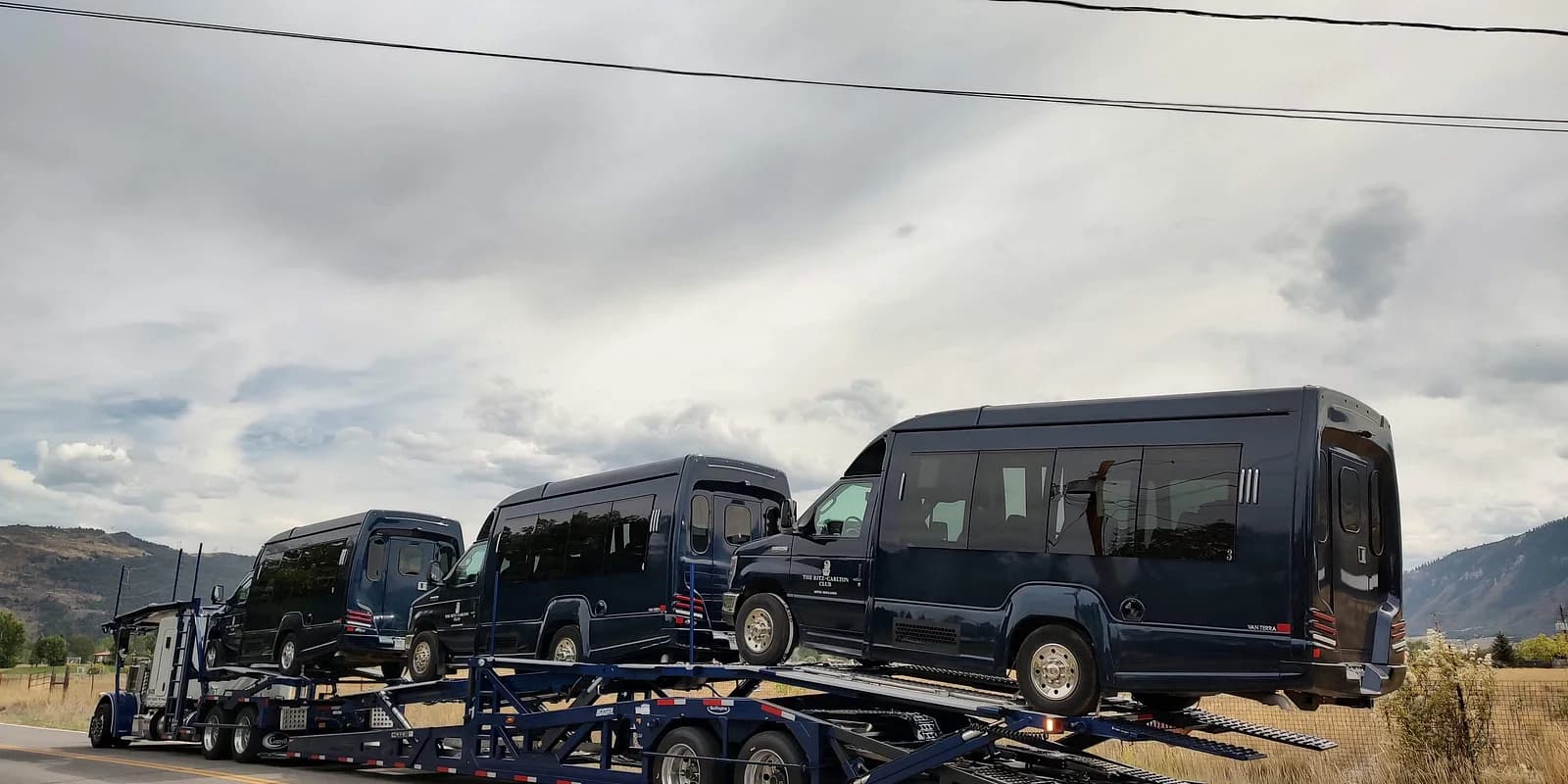
During transit, your vehicle shares the carrier with several others — typically 7–10 on an open carrier or 2–6 on an enclosed carrier. Most companies provide tracking updates via online portal, mobile app, or phone/email.
Factors that can affect transit time:
- Major weather events (storms, hurricanes) may force route changes
- Mechanical issues with the carrier truck (uncommon with professional operators)
- Traffic congestion in major metro areas, particularly along the I-95 corridor
A good transport company communicates proactively about delays. You should never have to chase down information.
Step 5: Vehicle Delivery
The driver will contact you 1–2 days before delivery to coordinate timing and confirm the location. The delivery process mirrors pickup:
- Unloading — the driver unloads your vehicle from the carrier (15–20 minutes)
- Delivery inspection — you and the driver walk around the vehicle, comparing its condition against the original Bill of Lading
- Sign and pay — if the vehicle is in the same condition as at pickup, you sign the delivery receipt and pay the remaining balance
What to Check at Delivery
- Every panel, bumper, and glass surface
- Wheels and visible undercarriage areas
- Open and close all doors, trunk, and hood
- Start the engine and check basic functions
If You Find New Damage
Note any new damage on the delivery copy of the Bill of Lading before signing. Take photographs immediately. Report the damage to the transport company the same day. Learn more about the claims process in our car shipping insurance guide.
What Makes the Process Go Smoothly
After moving 251,015+ vehicles, we have seen what separates a smooth experience from a stressful one. Three things stand out:
- Choose the right company. A reliable, communicative carrier with a proven track record makes every step easier. Check FMCSA licensing, BBB ratings, and insurance before booking.
- Prepare your vehicle properly. Following the preparation checklist saves time at pickup and prevents complications during transport.
- Be flexible and patient. Auto transport is logistics, and logistics involve variables. A flexible pickup window and realistic expectations go a long way.
Get a Free Quote Today
At Baier Transport, we guide customers through each of these five steps with clear communication and professional service. BBB A+ rated with 251,015+ vehicles transported.
Ready to Ship Your Vehicle?
Free, no-obligation quote from Baier Transport. BBB A+ rated with over 251,015+ vehicles transported.
Or call (603) 490-7309