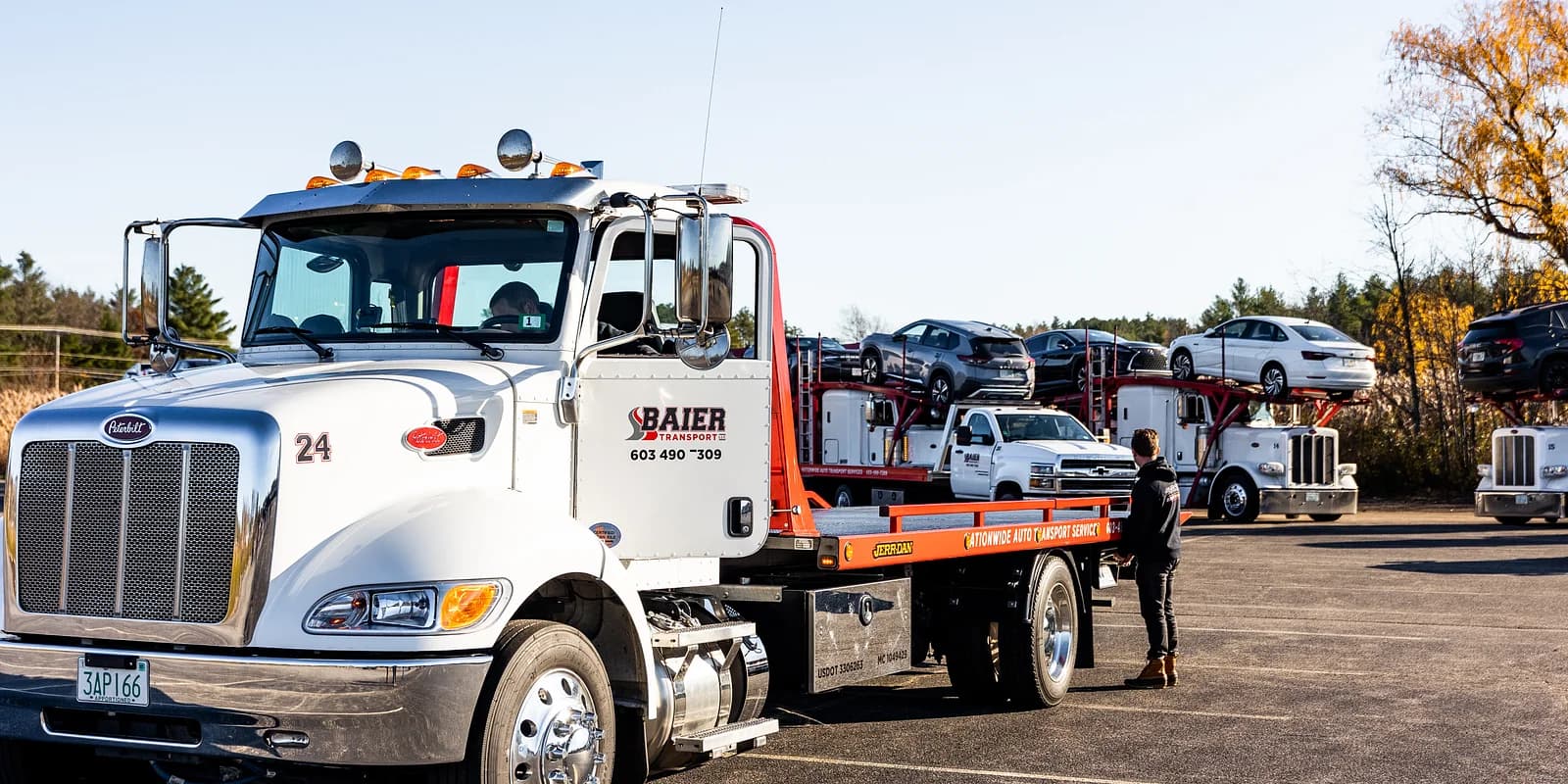
What to Know Before Shipping Your Car: First-Timer's FAQ
Shipping a vehicle for the first time can feel unfamiliar and even a little intimidating. You are trusting a significant asset to someone you have never met, and the process involves terminology and procedures you may not be familiar with.
This FAQ addresses the most common questions first-time car shippers ask, so you can approach your first transport experience with knowledge and confidence.
Is My Car Insured During Transport?
Yes. Every licensed auto transport carrier in the United States is required by federal law to carry cargo insurance. Your vehicle is covered from the moment it is loaded until it is unloaded at delivery.
- Standard coverage: $100,000–$250,000 per load
- Covers: Road debris impact, shifting during transport, loading/unloading incidents
- Does NOT cover: Personal belongings left inside the vehicle
If you are shipping a high-value vehicle, supplemental insurance is available through third-party providers. Read our complete insurance guide for details on coverage, exclusions, and claims.
How Long Does Auto Transport Take?
Transit times vary based on distance, route, and seasonal demand:
| Distance | Typical Transit Time |
|---|---|
| Under 500 miles | 2–4 business days |
| 500–1,000 miles | 3–5 business days |
| 1,000–1,500 miles | 5–7 business days |
| 2,000+ miles (coast-to-coast) | 7–10 business days |
These are transit times only — from pickup to delivery. Total lead time from booking also includes the pickup scheduling window:
- Normal conditions: 3–7 days after your requested date
- Peak seasons: Up to 2 weeks
Book early for the best results. See our best time to book guide for timing strategies.
Do I Need to Be Present for Pickup and Delivery?
You or a designated representative must be present at both pickup and delivery. Someone needs to:
- Walk around the vehicle with the driver
- Review and sign the Bill of Lading at pickup
- Inspect the vehicle and sign the delivery receipt
If you cannot be present personally, authorize another adult — a family member, neighbor, or colleague. Make sure your representative understands the importance of the vehicle inspection and documentation process.
What Should I Remove from My Car?
Remove all personal belongings, including items in the glove compartment, center console, door pockets, trunk, and all storage areas:
- Electronics (GPS units, dash cameras)
- Important documents and valuables
- Toll transponders (or switch to vacation mode)
- Loose items that could shift during transport
- Aftermarket accessories not permanently attached
Leave in the vehicle: Registration and a copy of the transport agreement in the glove compartment, in case the driver needs to verify ownership.
The rule of thumb: If it is not bolted to the vehicle, take it out.
Can I Pack Personal Items in My Car?
Most carriers allow a small amount in the trunk — typically up to 100 pounds. However:
- Carrier insurance does not cover personal belongings — if items are damaged, lost, or stolen, you have no recourse
- Extra weight may affect load calculations and could result in additional fees
- Some carriers prohibit personal items entirely
Our recommendation: Do not use your vehicle as a moving container. Ship belongings separately through a moving company or parcel service.
What Is the Bill of Lading?
The Bill of Lading is the most important document in the auto transport process. It is a detailed condition report that documents every existing scratch, dent, ding, chip, and imperfection on your vehicle.
At pickup:
- Driver walks around your vehicle and notes all existing damage
- You review the report together
- Both parties sign — this establishes the baseline condition
At delivery:
- Compare the vehicle's condition against the original Bill of Lading
- Mark any new damage on the delivery copy
- This documentation is essential for filing any damage claims
Take your time. Make sure the driver documents everything, no matter how minor. A small scratch that seems insignificant at pickup becomes a significant issue if it is not documented and you later need to determine whether it occurred during transport.
Can I Ship a Non-Running Vehicle?
Yes, but it costs more. Non-running vehicles require a winch for loading and unloading — expect an additional $100–$200.
When requesting a quote, be specific about the vehicle's condition:
- Can it roll freely?
- Can it steer?
- Does the transmission engage in neutral?
- Do all four wheels turn?
The more information you provide, the more accurately the carrier can plan and quote.
How Do I Choose a Reliable Transport Company?
Choosing the right company is the single most important decision in the shipping process:
- Federal licensing — active FMCSA Motor Carrier number and operating authority. Verify on the FMCSA website.
- Insurance coverage — ask for proof of cargo insurance and verify coverage limits. See our insurance guide.
- Reviews and reputation — check online reviews, BBB ratings, and ask for references.
- Transparent pricing — all-inclusive quote with no hidden fees. Be wary of quotes that seem too good to be true. Read our cost guide.
- Communication quality — responsive, clear answers, realistic expectations. Communication during quoting predicts the service you will receive.
What If My Car Is Damaged During Shipping?
Damage during professional auto transport is rare, but if you discover new damage at delivery:
- Note the damage on the delivery copy of the Bill of Lading before signing
- Take clear, detailed photographs of the damage
- Contact the transport company immediately to report and initiate a claim
- File a claim within the required timeframe (typically 30–90 days)
A reputable transport company will guide you through the claims process. Read our complete insurance and claims guide for the full process.
Get Started with Confidence
Shipping your car for the first time does not have to be stressful. With the right preparation and the right transport partner, the process is straightforward, safe, and surprisingly simple.
At Baier Transport, we walk first-time shippers through every step — BBB A+ rated with 251,015+ vehicles transported.
Get a Free Quote → | Call (603) 490-7309 | Contact Us →
New to auto transport? Read How Auto Transport Works: 5-Step Guide →
Ready to Ship Your Vehicle?
Free, no-obligation quote from Baier Transport. BBB A+ rated with over 251,015+ vehicles transported.
Or call (603) 490-7309